A polyp is similar to a mole on your skin – a usually benign growth that can develop and change over time. A growth you want to have looked at and possibly removed before it can harm you. Unlike a mole, polyps are inside your colon and can’t be seen without special equipment. Colonoscopies can explore the inside of your colon, looking for these growths, and even remove them before they become dangerous to your health.

A colonoscopy is the best way to find and remove polyps before they can turn into cancer. Other methods of screening are not as effective at detecting polyps. If you have a family history of polyps or colorectal cancer, it is important to talk to your doctor about getting screened earlier than usual.
Colorectal polyps are common in American adults. Between 15 and 40% of adults may have colon polyps. Kids can get polyps too, though it’s less common; around 6% of children may develop colon polyps. If someone in your family has had polyps or colorectal cancer, you may be at a higher risk of developing polyps, which means you should have a colonoscopy before you turn 45. Learn more about how your family history affects screening.
Polyps usually take about 10 years to turn into early-stage colon cancer. Removing a polyp during a colonoscopy can stop cancer before it starts. All polyps should be removed during a colonoscopy.

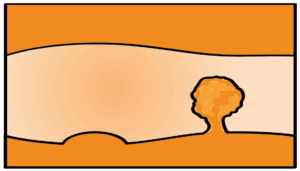
These polyps have a stem or stalk and look like a mushroom. These polyps are easiest to find during a colonoscopy

These are flat or slightly raised dome and can be harder to see during a colonoscopy.
Neoplastic Polyps are polyps that have a high risk of turning into cancer. They include:
Non-Neoplastic Polyps are not cancerous (benign) and aren’t often a problem. These types of polyps are common in older adults and those with a family history of colon cancer. They include:
 After a colonoscopy, your doctor will consider these things when deciding your future risk for polyps and developing colorectal cancer:
Polyps grow slowly, so having a few small ones usually means your risk of cancer is still low. If you have larger or more advanced polyps, however, your doctor may want to screen you and your family members earlier than usual.
Advanced adenomas are neoplastic polyps that are larger or have certain features that make them more likely to become cancer. These include:
Some things that could make you more likely to develop colorectal polyps include:
Information on these pages is provided for educational purposes only. Consult your physician before making any medical decisions.